Acne Scar Treatment After 50: It’s Not Just the Scar
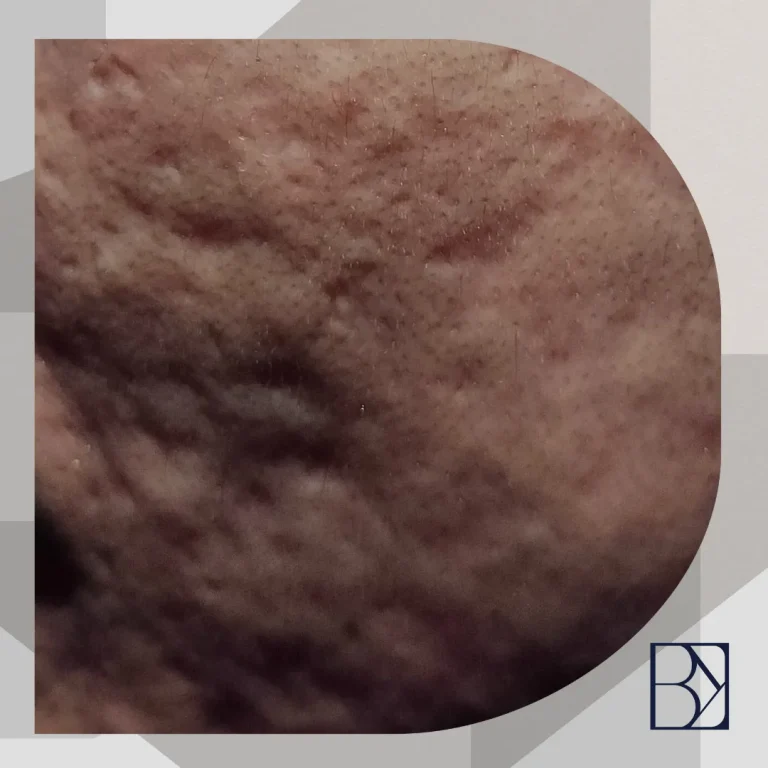
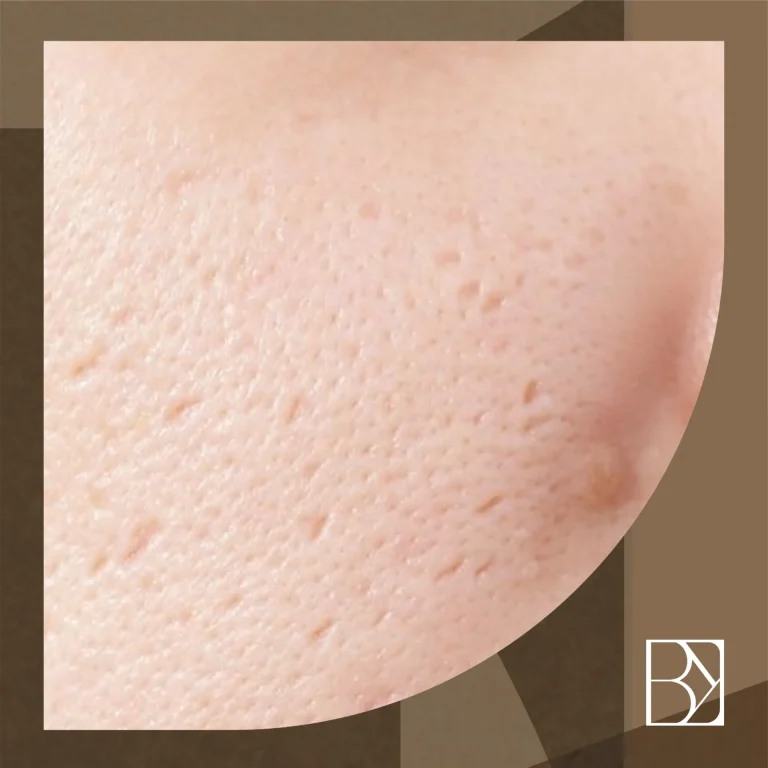
Acne scar treatment after 50 is rarely just about the scar itself. In mature skin, the real challenge is collagen decline — and that changes everything about how we approach results.
In your 20s, acne scars are largely structural. Release the tether. Resurface the edges. Stimulate repair. Skin at that age still carries biological momentum. It wants to heal.
After 50, however, the equation changes.
Why Collagen Loss Changes Acne Scar Treatment After 50
As we age, collagen production declines significantly. Fibroblasts become less active. Type I collagen synthesis slows. Existing fibers fragment and weaken. Elastin gradually loses recoil, and the dermis becomes thinner overall.
Beneath the visible scar, the architectural support system is no longer strong enough to sustain aggressive regeneration.
This explains why a 25-year-old and a 55-year-old with the same rolling scar do not respond the same way to treatment.
Why Mechanical Treatments Alone Often Fall Short
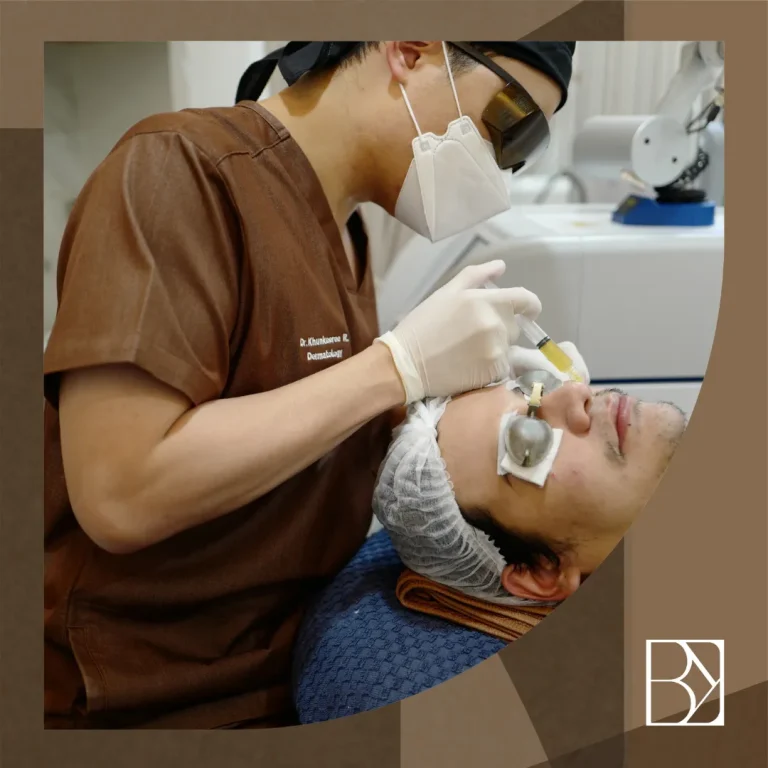
Procedures such as subcision, laser resurfacing, or microneedling RF focus on releasing scar tissue or triggering repair. While effective in younger skin, these approaches often underperform in older patients.
Releasing the tether is one step. But if the foundation underneath is fragile, what supports the newly freed space?
Collagen is more than “plumpness.” It provides tensile strength, dermal density, and structural integrity. Without adequate collagen, improvement plateaus.
After 50, the challenge shifts from simply breaking scar tissue to rebuilding biological capacity.
The Role of Program Biostimulator Injectables
Unlike Program traditional fillers that only occupy space, Program stimulators such as Program Sculptra work by signaling fibroblasts to produce new collagen gradually over time. Rather than acting as temporary cushions, they function as long-term architects.
For patients over 50, this distinction is critical.
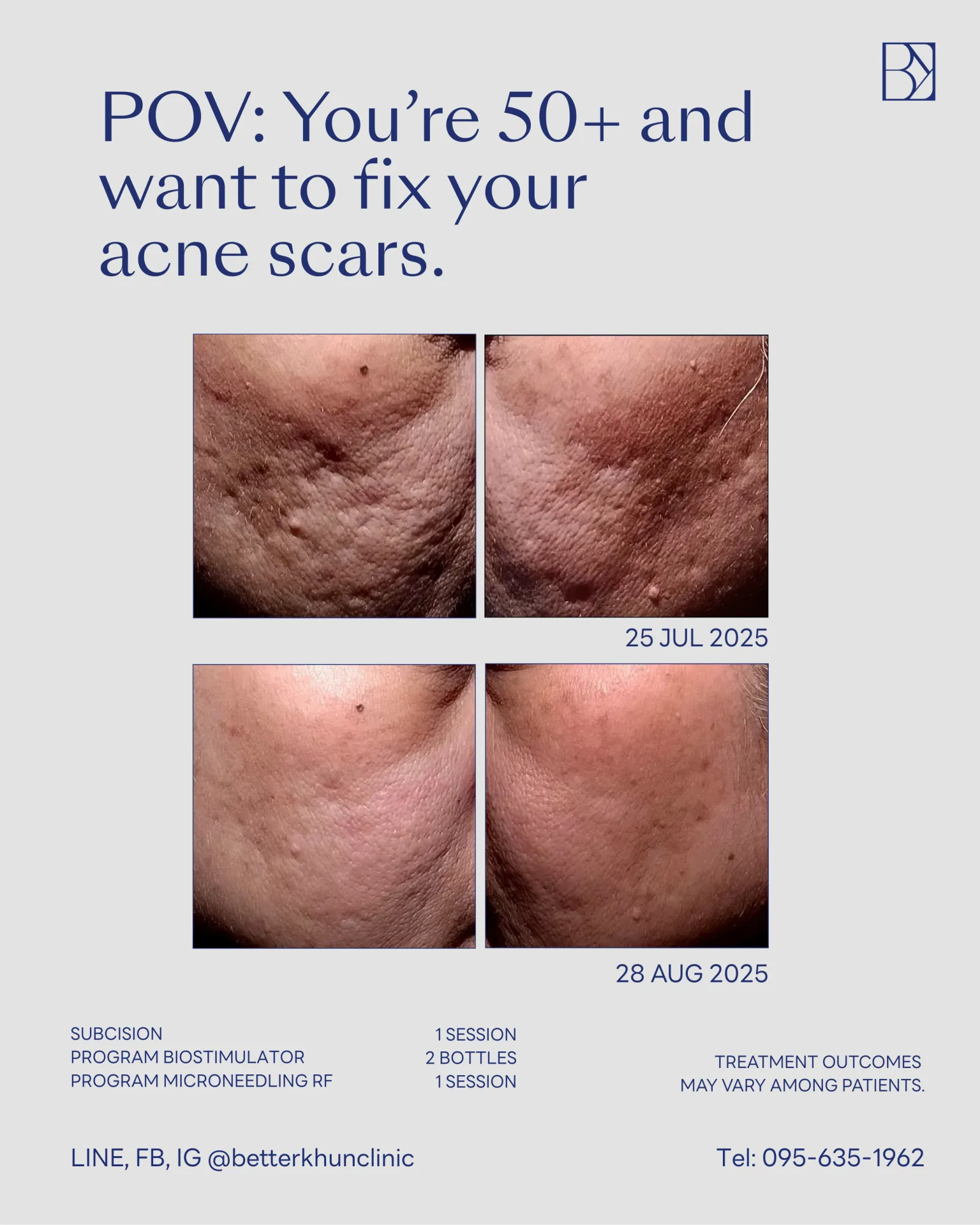
Strengthening the dermal environment increases thickness, improves elasticity, and enhances vascular support. Once the foundation is restored, subsequent treatments — subcision or energy-based resurfacing — produce more reliable and durable results.
Read more: Injectable Support
A Strategic Shift in Acne Scar Treatment
Aging is not the enemy. Biology is simply slower.
Modern regenerative injectables allow us to work beyond what the skin would naturally do on its own. And that is the real shift in treating acne scars after 50.
It’s less aggression. More foundation rebuilding.
And when the foundation is strong, everything else performs better.
🔗 LINE@: @betterkhunclinic or https://lin.ee/pk7yfup
📍 Find us on Google Maps: https://maps.app.goo.gl/BhRGxh8LRorfaJPh8?g_st=ic
📞 Call us: 095-635-1962
🚆 BTS Phloen Chit Station, Exit 3 – Next to Rosewood Hotel
Bangkok, Thailand